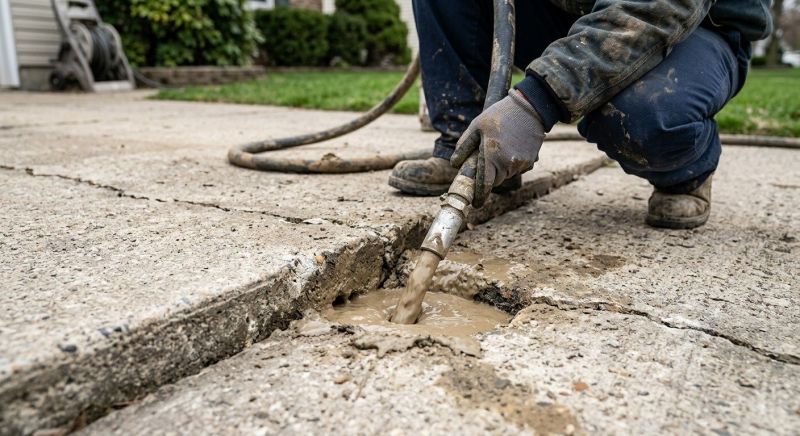
Concrete Settlement Repair in Tampa, FL
Concrete settlement repair services address issues caused by ground movement or soil instability that lead to uneven or sinking concrete surfaces. These services typically cover projects such as leveling driveways, walkways, patios, garage floors, and other concrete structures that have shifted or settled over time. Homeowners often seek this type of repair to restore the safety, appearance, and functionality of their property, especially when uneven surfaces pose tripping hazards or hinder proper drainage.
Before requesting concrete settlement repair, property owners usually want to understand the extent of the damage, the underlying causes of the settlement, and the best methods for stabilization. It’s also helpful to know what types of repairs are available, how long the process might take, and what the finished surface will look like. Clear information about these aspects can aid in making informed decisions to maintain the value and safety of the property.
Many property owners in Tampa, FL look into Concrete Settlement Repair for repairs, replacements, upgrades, and appearance-related improvements.
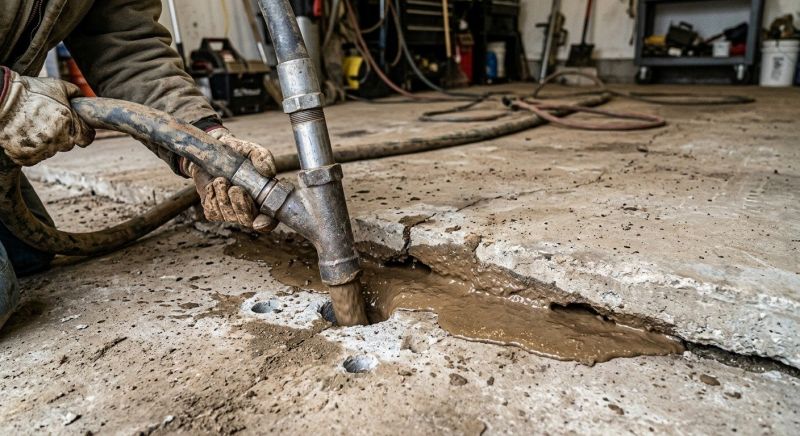
Signs Of Concrete Settlement
Cracks, uneven surfaces, and shifting slabs indicate potential settlement issues on your property.
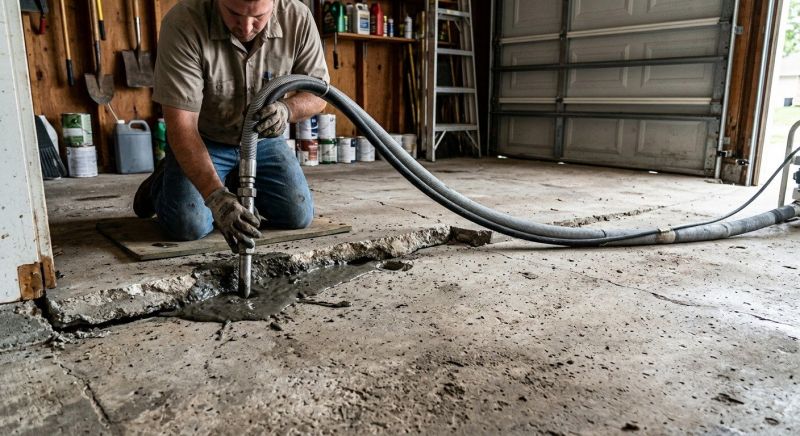
Common Repair Solutions
Injecting polyurethane or underpinning are typical methods used to stabilize and lift settled concrete.
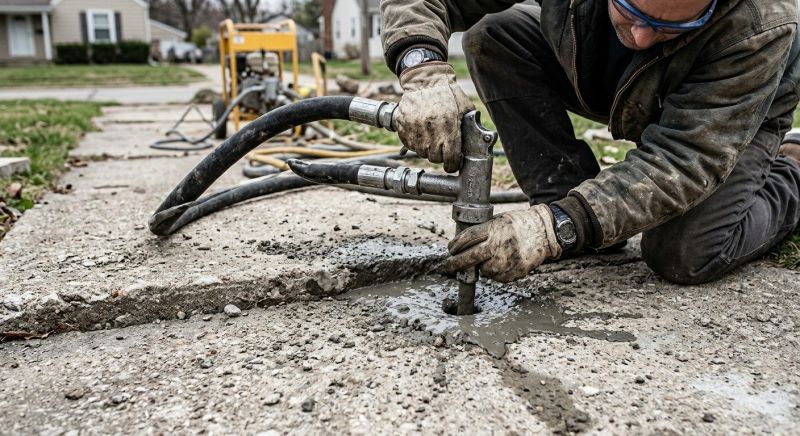
Preventative Maintenance Tips
Proper drainage and soil compaction can help minimize future settlement problems for tampa homeowners.
Concrete Settlement Repair in Tampa, FL
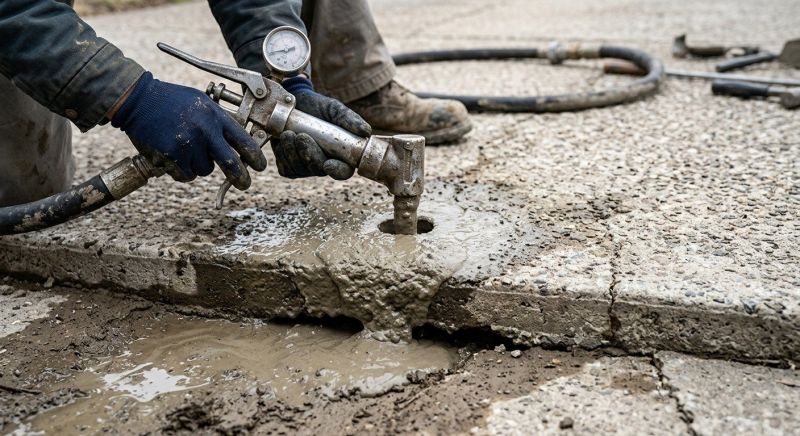
Concrete settlement repair services address issues caused by ground movement or soil instability that lead to uneven or sinking concrete surfaces. These services typically cover projects such as leveling driveways, walkways, patios, garage floors, and other concrete structures that have shifted or settled over time. Homeowners often seek this type of repair to restore the safety, appearance, and functionality of their property, especially when uneven surfaces pose tripping hazards or hinder proper drainage.
Before requesting concrete settlement repair, property owners usually want to understand the extent of the damage, the underlying causes of the settlement, and the best methods for stabilization. It’s also helpful to know what types of repairs are available, how long the process might take, and what the finished surface will look like. Clear information about these aspects can aid in making informed decisions to maintain the value and safety of the property.
Many property owners in Tampa, FL look into Concrete Settlement Repair for repairs, replacements, upgrades, and appearance-related improvements.
Common Concrete Settlement Repair Jobs
Foundation Settlement Repair - addresses uneven settling that can cause cracks and structural issues in homes.
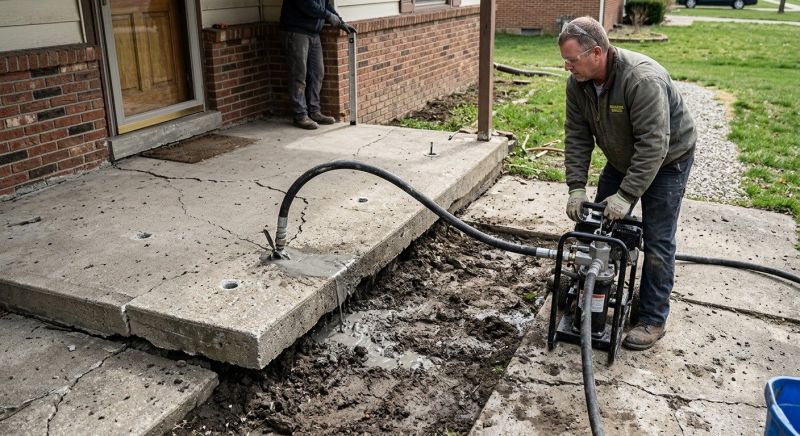
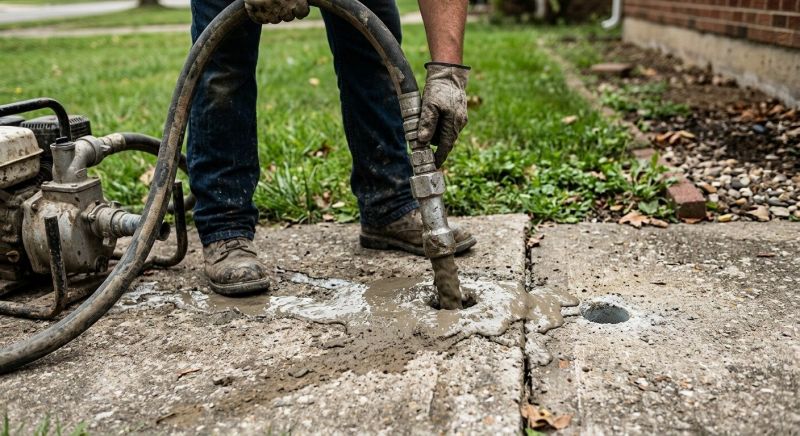
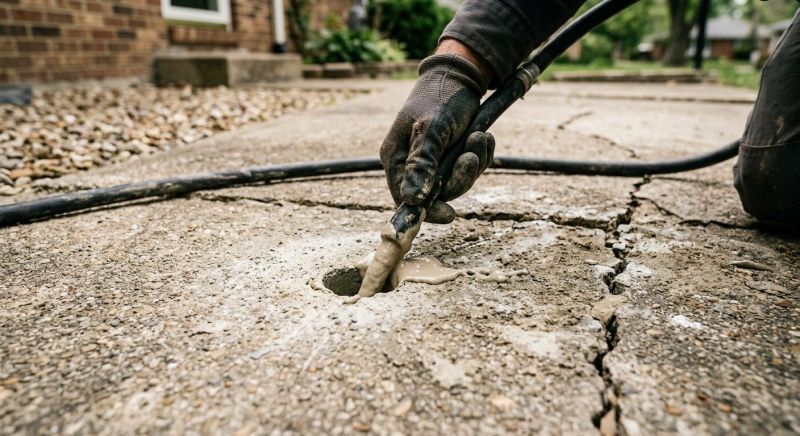
Slab Jacking - lifts and stabilizes sunken concrete slabs in driveways, patios, and walkways.
Pier and Beam Repair - reinforces or replaces supports to prevent further settling and shifting.
Crack Repair - seals and stabilizes cracks in concrete to prevent water infiltration and further damage.
Soil Stabilization - improves soil conditions to reduce future settling beneath concrete structures.
Concrete Leveling - restores a smooth, even surface to uneven concrete surfaces for safety and appearance.
Concrete Settlement Repair Questions
What causes concrete to settle? Concrete settlement often occurs due to soil movement, improper compaction, or changes in moisture levels beneath the slab.
How can I tell if my concrete has settled? Signs include uneven surfaces, cracks, or gaps between the slab and adjacent structures.
Is settlement repair necessary for safety? Settlement issues can compromise structural integrity and should be evaluated to determine if repair is needed.
What types of projects typically require settlement repair? Common projects include driveways, sidewalks, patios, and garage floors experiencing unevenness or cracking.
Request Concrete Settlement Repair in Tampa, FL
Use the quote form on this page to share the basics of your project and request more information for the type of work you need.