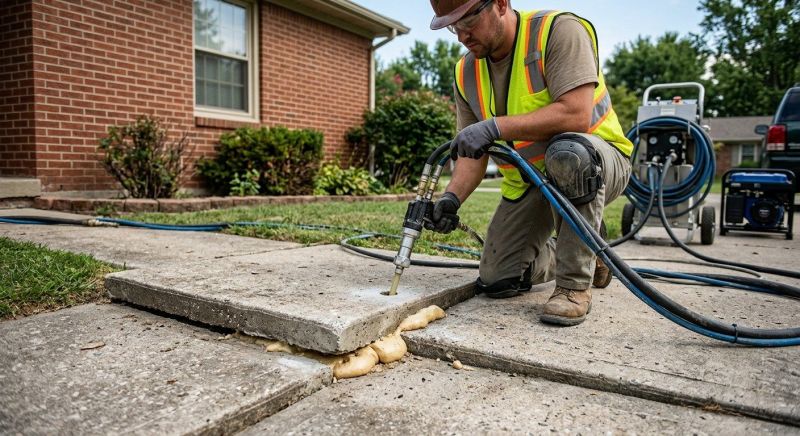
Void Filling in Denver, CO
Void filling services involve the process of carefully filling gaps, cavities, or empty spaces within walls, floors, or other structural elements of a property. This service is commonly requested for projects such as repairing settling foundations, sealing around pipes or electrical conduits, or restoring walls after removing fixtures or appliances. Property owners typically seek void filling to improve structural stability, prevent pest intrusion, or enhance insulation and energy efficiency. Before requesting this service, it’s helpful to understand the specific areas needing attention, the size of the voids, and any underlying issues that may have caused the gaps to form.
Homeowners should consider the type of construction materials involved and the purpose of the void filling to ensure the appropriate method and materials are used. Clear communication about the location and extent of the empty spaces can help determine the most effective solution. It’s also important to understand any potential impact on existing structures or utilities, as well as the need for proper preparation before the work begins. Properly filled voids contribute to the overall safety, comfort, and integrity of the property.
Many property owners in Denver, CO look into Void Filling for repairs, replacements, upgrades, and appearance-related improvements.
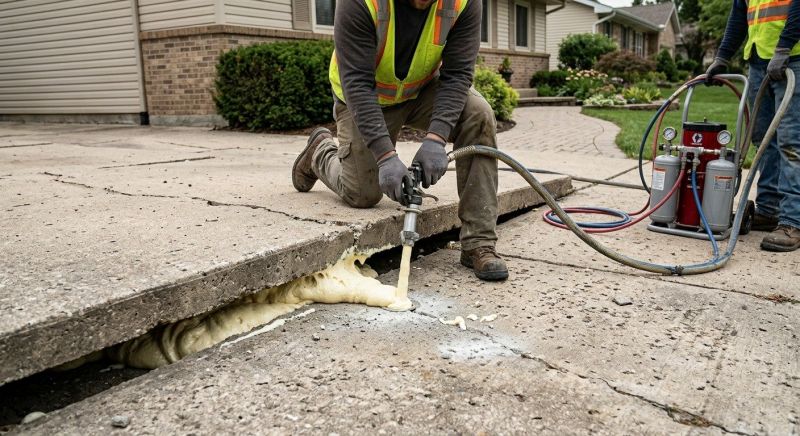
Foundation And Wall Repairs
Void filling helps stabilize foundations and prevent further structural issues in denver homes.
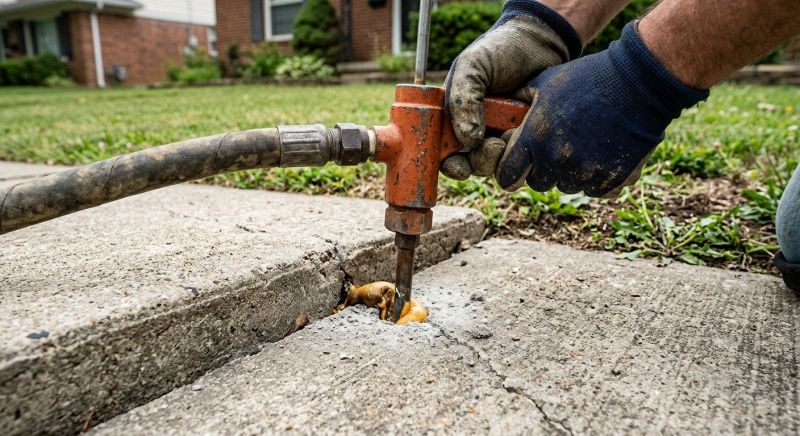
Basement And Crawl Space Support
Proper void filling ensures added support and reduces the risk of settling in underground spaces.
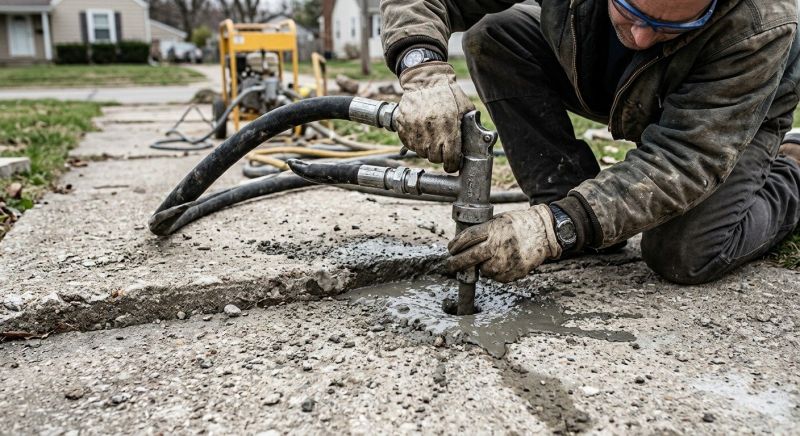
Sump And Drainage System Maintenance
Filling voids around drainage systems can improve water flow and protect property from water damage.
Void Filling in Denver, CO
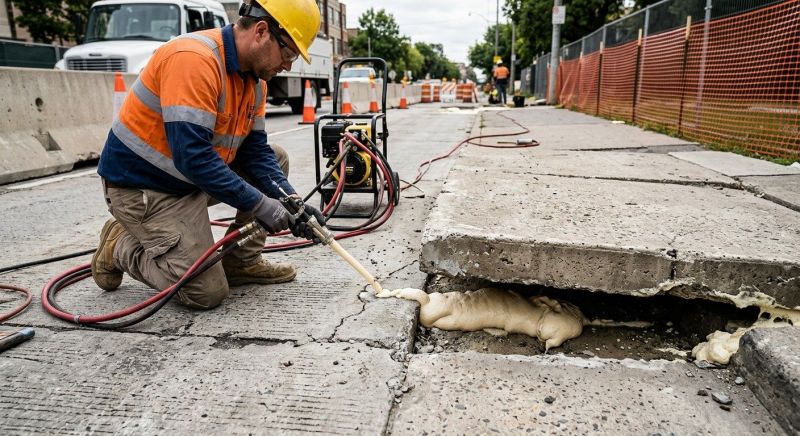
Void filling services involve the process of carefully filling gaps, cavities, or empty spaces within walls, floors, or other structural elements of a property. This service is commonly requested for projects such as repairing settling foundations, sealing around pipes or electrical conduits, or restoring walls after removing fixtures or appliances. Property owners typically seek void filling to improve structural stability, prevent pest intrusion, or enhance insulation and energy efficiency. Before requesting this service, it’s helpful to understand the specific areas needing attention, the size of the voids, and any underlying issues that may have caused the gaps to form.
Homeowners should consider the type of construction materials involved and the purpose of the void filling to ensure the appropriate method and materials are used. Clear communication about the location and extent of the empty spaces can help determine the most effective solution. It’s also important to understand any potential impact on existing structures or utilities, as well as the need for proper preparation before the work begins. Properly filled voids contribute to the overall safety, comfort, and integrity of the property.
Many property owners in Denver, CO look into Void Filling for repairs, replacements, upgrades, and appearance-related improvements.
Common Void Filling Jobs
Void Filling Services - filling gaps in walls, floors, or ceilings to improve insulation and energy efficiency.
Foundation Repair - sealing and filling voids beneath foundations to stabilize and prevent shifting.
Basement Waterproofing - filling cracks and voids to prevent water intrusion and moisture buildup.
Attic Insulation - filling gaps around attic spaces to enhance temperature regulation and reduce utility bills.
Pest Prevention - sealing openings and voids to block entry points for pests and rodents.
Structural Reinforcement - filling and stabilizing areas with compromised or hollow spaces to maintain building integrity.
Void Filling Questions
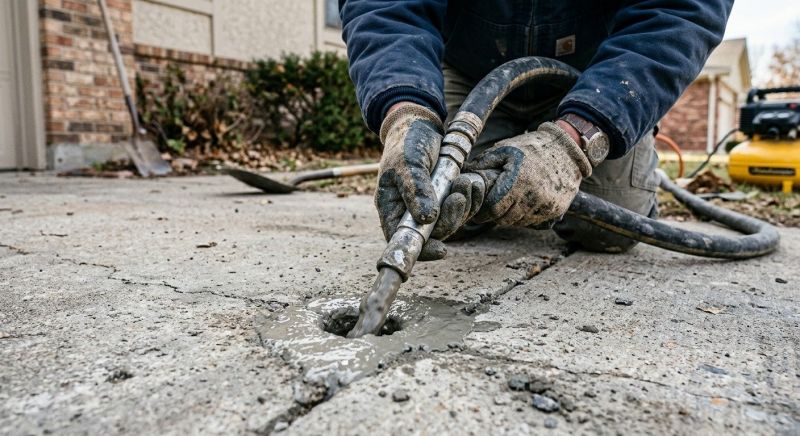
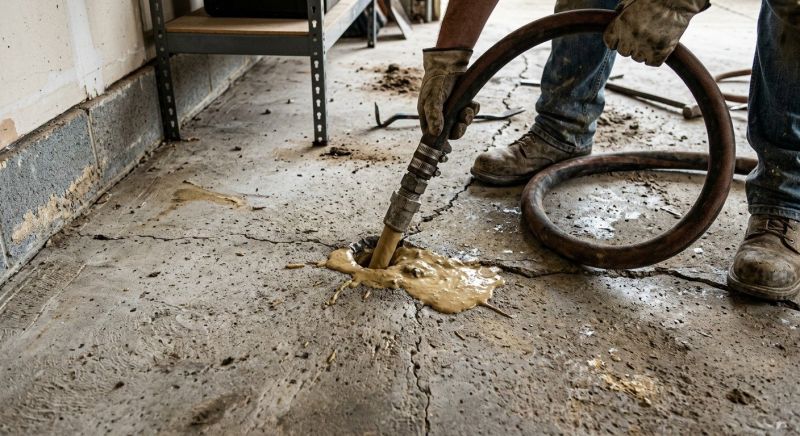
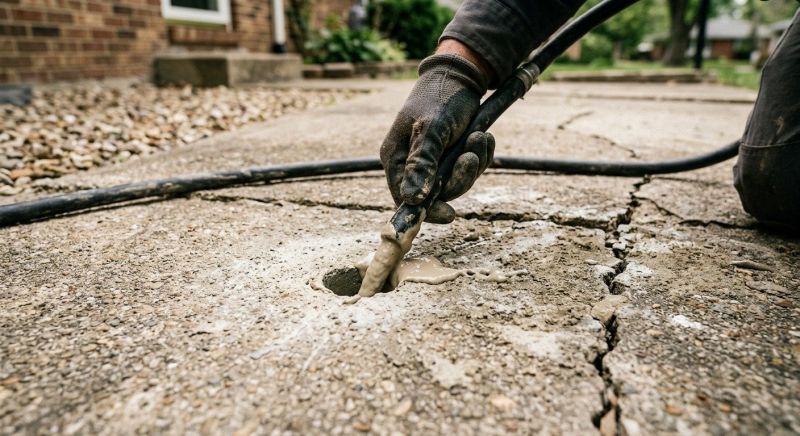
What is void filling used for? Void filling is used to stabilize and support structures by filling gaps or empty spaces beneath foundations, slabs, or other surfaces.
Which projects benefit from void filling? Projects such as concrete slab repairs, foundation stabilization, and underpinning often require void filling to ensure stability.
What materials are typically used for void filling? Common materials include foam, grout, or other supportive fillers designed to provide stability and prevent settling.
How does void filling improve property safety? Proper void filling prevents shifting or settling of structures, reducing the risk of damage or failure over time.
Request Void Filling in Denver, CO
Use the quote form on this page to share the basics of your project and request more information for the type of work you need.